
Can Insurance Appraisal Increase My Settlement? What Homeowners Need to Know Before Accepting a Low Offer
Receiving an insurance settlement that falls short of repair costs can leave homeowners frustrated and uncertain about what to do next. Many people do not realize that their policy may contain an appraisal provision designed to resolve disagreements over the amount of loss. While no outcome is guaranteed, insurance appraisal can provide an independent process for evaluating damages and may help bridge the gap when repair estimates and insurance payments do not align. Understanding how appraisal works could make a meaningful difference in the outcome of a property insurance claim.
Can Insurance Appraisal Increase My Settlement?
Imagine opening an insurance settlement letter after weeks of waiting. You expected enough money to repair your roof, restore water damage, or rebuild parts of your home after a storm. Instead, the estimate is far lower than what contractors say the repairs will cost.
At that moment, many property owners ask the same question:
Can insurance appraisal increase my settlement?
The honest answer is that it can, but not because appraisal is designed to automatically raise claim payments. The appraisal process exists to resolve disagreements about the amount of loss. When damages are undervalued or important costs are overlooked, appraisal may result in a higher settlement. In other cases, the amount may remain similar to the original estimate.
Understanding how the process works is the key to deciding whether appraisal may be worth considering.
What Is Insurance Appraisal?
Insurance appraisal is a dispute resolution process found in many property insurance policies.
When a policyholder and an insurance company agree that damage exists but disagree on the value of that damage, either party may be able to demand appraisal.
The process typically involves:
The policyholder selecting an appraiser
The insurance company selecting an appraiser
The two appraisers selecting an impartial umpire
A determination being made regarding the amount of loss
The goal is not to determine coverage. Instead, the goal is to determine the value of covered damages.
Why Insurance Appraisal Matters
Many claim disputes are not about whether damage occurred. They are about how much it will cost to repair or replace what was damaged.
This happens more often than many people realize.
A roof replacement may be estimated differently by two roofing contractors.
A water damage claim may involve hidden damage that was not included in the original inspection.
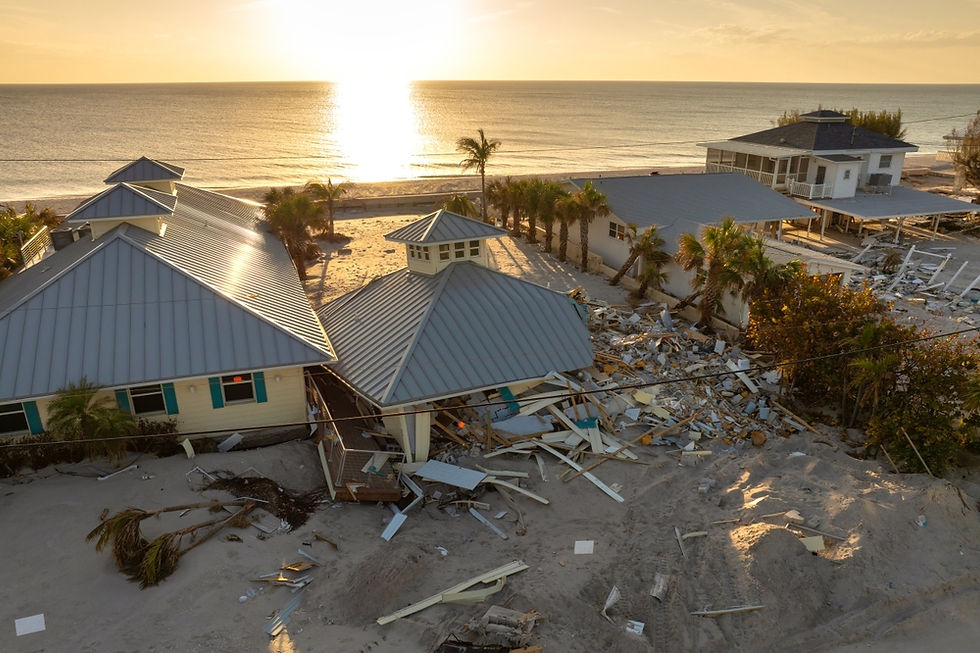
A hurricane claim may require additional repairs that were not identified during the first evaluation.
When significant differences exist between estimates, appraisal provides a structured way to address those disagreements.
Can Insurance Appraisal Increase My Settlement?
Yes, it can.
However, there is no guarantee.
Insurance appraisal does not automatically favor the homeowner or the insurance company. The process is intended to produce a fair determination of the amount of loss based on the evidence presented.
Settlement amounts sometimes increase because:
Additional Damage Is Identified
A more detailed review may reveal damages that were missed during the initial inspection.
Repair Costs Were Underestimated
Material prices, labor costs, code requirements, and project complexity can affect repair estimates.
Scope Differences Are Resolved
One estimate may include necessary repairs that another estimate omitted.
Independent Evaluation Helps Clarify the Loss
When qualified professionals review the damages independently, it can help narrow disagreements and provide a more accurate picture of the claim.

Common Situations Where Appraisal Is Considered
Property owners often explore appraisal when dealing with:
Hurricane Damage Claims
Storm damage can be extensive, and repair estimates may vary significantly.
Roof Damage Claims
Roof replacement disputes are among the most common appraisal-related disagreements.
Water Damage Claims
Water losses often involve hidden damage that becomes apparent after initial inspections.
Fire Damage Claims
Smoke, soot, structural damage, and restoration costs can create valuation disagreements.
Commercial Property Claims
Business owners frequently face complex repair and replacement cost disputes following property losses.
Important Facts Homeowners Should Know
Appraisal Does Not Decide Coverage
If the insurance company denies coverage entirely, appraisal may not resolve that issue.
Policy Language Matters
Every insurance policy is different. The appraisal provision should be reviewed carefully.
Documentation Is Important
Photos, contractor estimates, invoices, reports, and repair documentation can play an important role in the process.
Timelines Can Vary
Some appraisal matters move quickly, while others may take longer depending on the complexity of the loss.
Benefits of Insurance Appraisal
Many property owners consider appraisal because it may offer several advantages.
Focuses on the Amount of Loss
The process is specifically designed to address valuation disagreements.
Can Help Resolve Stalled Claims
Appraisal may provide a path forward when settlement discussions have reached a standstill.
Uses Independent Participants
Both sides select appraisers, and an umpire helps resolve remaining disagreements
when necessary.
May Reduce Extended Disputes
Many appraisal matters are resolved without lengthy legal proceedings.
Practical Tips Before Considering Appraisal
Review Your Insurance Policy
Look for appraisal language and understand how the process is described.
Obtain Independent Estimates
Comparing estimates can help identify significant valuation differences.
Organize Documentation
Keep photos, invoices, reports, and repair estimates in one location.
Ask Questions
Make sure you understand the process, costs, timelines, and expectations before moving forward.
Frequently Asked Questions
Does insurance appraisal always increase a settlement?
No. Appraisal is designed to determine the amount of loss fairly. While settlements sometimes increase, results vary based on the facts of each claim.
Can appraisal lower a settlement?
In some situations, the final valuation could differ from either party's original estimate. The process focuses on accuracy rather than reaching a predetermined outcome.
Is appraisal the same as hiring an attorney?
No. Appraisal is generally a separate process focused on valuation disputes rather than legal issues.
What types of claims commonly use appraisal?
Roof damage, hurricane damage, fire damage, water damage, wind damage, hail damage, and commercial property claims frequently involve appraisal.
How long does the appraisal process take?
The timeline varies depending on the complexity of the loss, the availability of participants, and the amount of documentation involved.
Can appraisal be used for commercial property claims?
Yes. Many commercial property insurance policies contain appraisal provisions that may be used when valuation disputes arise.
Next Steps If You Believe Your Settlement Is Too Low
If your contractor's estimate is significantly higher than the insurance company's estimate, do not assume the first offer is necessarily the final outcome.
Take time to review your policy, gather documentation, compare repair estimates, and understand the options available under your insurance contract.
The question is not whether appraisal will automatically increase your settlement. The better question is whether the current estimate accurately reflects the amount of covered damage.
When meaningful differences exist, the appraisal process may provide a path toward a fairer and more informed resolution.
If this information was helpful, consider sharing it with someone facing a property insurance dispute or exploring additional resources to better understand the insurance appraisal process.
Contact Clamium and see how we can help you.


Comments