
Florida Insurance Claim Appraisal Services Explained: A Powerful Alternative to Resolving Disputes
A storm passes, temporary repairs begin, and then the insurance estimate arrives. For many Florida property owners, the settlement amount creates more questions than answers. When repair costs and insurance payments do not match, frustration can quickly grow. What many homeowners do not realize is that their policy may contain a built-in option designed to resolve these types of disagreements. Our Florida insurance claim appraisal services can help settle valuation disputes without the time, expense, and uncertainty that often come with lengthy legal proceedings.
When the Insurance Claim Settlement Doesn't Match the Damage
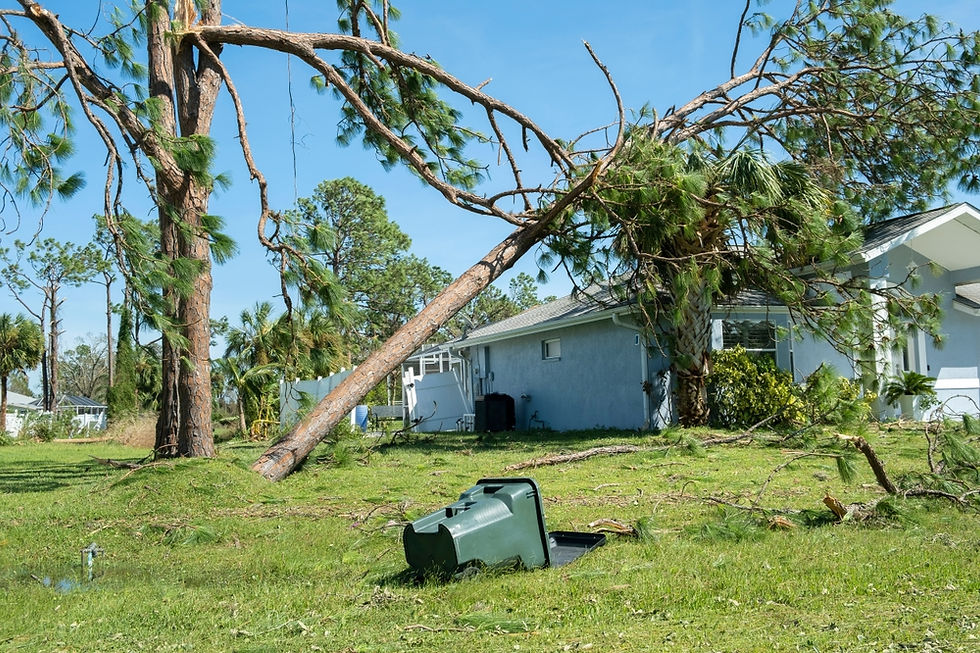
Imagine spending weeks documenting hurricane or storm related damages, meeting contractors, collecting estimates, and waiting for the insurance company to complete its review. Then the settlement arrives, and the amount falls far short of what local contractors say is needed to restore the property back to pre-loss condition.
This situation happens more often than many Florida property owners realize.
From hurricanes and tropical storms to wind, hail, and water damage, claim disputes can arise when the insurance company and policyholder disagree about the value of a loss. Fortunately, many insurance policies include a process that can help resolve these disagreements.
That process is known as appraisal.
Understanding how Florida insurance appraisal services work may provide a valuable path forward when claim negotiations reach a standstill.
What Are Florida Insurance Claim Appraisal Services?
Florida insurance appraisal services help resolve disagreements about the amount of a covered property loss.
When a policyholder and insurance company agree that damage exists but disagree about the value of the repairs, replacement costs, or scope of damage, the appraisal process may be available under the policy.
The appraisal process typically involves:
The policyholder selecting an appraiser
The insurance company selecting an appraiser
Both appraisers reviewing the damages
An impartial umpire becoming involved if needed
The goal is to determine the amount of loss based on available evidence and documentation.
Appraisal is generally focused on valuation disputes rather than coverage disputes.
Why Insurance Claim Appraisals Matter in Florida
Florida experiences some of the most severe weather events in the country.
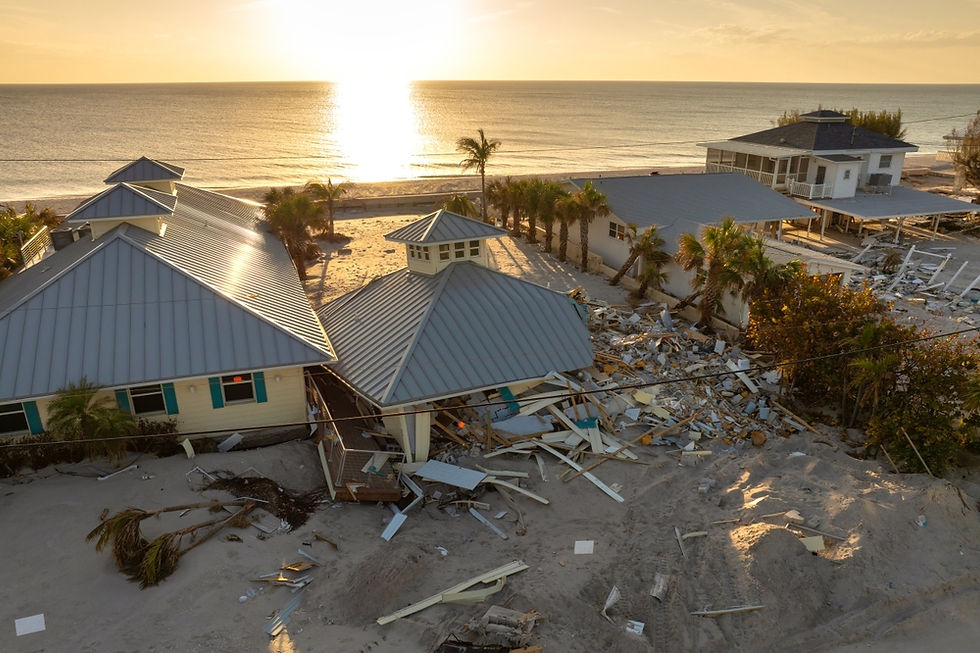
Hurricanes, tropical storms, wind events, flooding, and severe weather can create significant property damage. As repair costs continue to increase, disagreements over claim values have become more common.
Insurance appraisal matters because it provides property owners with an alternative method for resolving disputes when negotiations fail.
Instead of remaining stuck in a disagreement, appraisal creates a structured process designed to evaluate the amount of loss.
Common Problems That Lead to Appraisal
Several situations frequently lead homeowners and business owners to consider appraisal.
Low Insurance Settlement Offers
The insurance estimate may be substantially lower than contractor estimates.
Roof Damage Disputes
One party may believe repairs are sufficient while another believes a full replacement is necessary.
Missing Damage Items Not Addressed
Certain repairs, materials, or building components may not appear on the insurance estimate.
Pricing Differences
Local labor rates and material costs can vary significantly, especially following major storms.
Commercial Property Disagreements
Large commercial losses often involve extensive documentation and competing repair estimates.
Benefits of Florida Insurance Appraisal Services
Faster Than Many Traditional Disputes
Although every case is unique, appraisal often resolves valuation disagreements more efficiently than prolonged legal disputes.
Independent Review
Both parties have the opportunity to present evidence supporting their position.
Focused Resolution Process
The process centers specifically on determining the amount of loss.
Available for Residential and Commercial Claims
Appraisal may be available for many types of property insurance claims depending on policy language.
Can Help Move Stalled Claims Forward
When settlement discussions stop making progress, appraisal can provide a clear next step.
Important Facts Every Property Owner Should Know
Review the Policy Carefully
Not every policy contains identical appraisal language. Understanding the policy terms is essential.
Documentation Remains Critical
Photos, contractor estimates, engineering reports, invoices, and inspection reports can strengthen a position during appraisal.
Appraisal Is Not Automatic
The appraisal process typically must be properly invoked according to policy requirements.
Coverage Issues May Be Separate
Appraisal generally addresses valuation disputes rather than determining whether coverage exists.
Practical Tips Before Starting Appraisal
Gather Complete Documentation
Create a file containing photographs, estimates, reports, receipts, and correspondence.
Compare Estimates Line by Line
Look for differences in scope, pricing, quantities, and repair methods.
Understand the Source of the Disagreement
Determine whether the dispute involves coverage, pricing, repair methods, or scope of damage.
Consult a Qualified Professional
An experienced appraisal professional can explain available options and help evaluate the claim.
Frequently Asked Questions
What is an insurance appraisal clause?
An insurance appraisal clause is a policy provision that allows disputes about the amount of a covered loss to be resolved through an appraisal process.
Can appraisal be used after hurricane damage?
Yes. Hurricane damage claims are among the most common situations where appraisal is considered in Florida.
Does appraisal replace a lawsuit?
Appraisal is generally considered an alternative dispute resolution process and is separate from litigation.
Is appraisal available for commercial property claims?
Many commercial property policies contain appraisal provisions, although policy language should always be reviewed carefully.
Can appraisal increase a settlement?
Each claim is different. The purpose of appraisal is to determine a fair amount of loss based on the evidence presented.
How long does the appraisal process take?
Timeframes vary depending on claim complexity, documentation, scheduling, and the issues
involved.
What Should You Do Next?
If a property owner believes a Florida insurance claim settlement does not accurately reflect the true cost of repairs, ignoring the issue rarely improves the outcome.
Instead, take time to review the policy, compare repair estimates, gather documentation, and understand available options. Many policyholders are surprised to learn that appraisal may already be built into their insurance contract.
A disagreement over claim value does not always have to become a lengthy dispute. Florida insurance appraisal services provide a structured path for resolving valuation disagreements and helping property owners pursue a fair assessment of covered damages.
The next time a settlement seems far below what is needed to restore a property, remember that another option may exist. Understanding the appraisal process could be the first step toward a more informed and confident decision.
If this article was helpful, consider sharing it with other Florida property owners who may be facing similar insurance claim challenges, and leave a comment with any questions about the appraisal process.
Contact Clamium Appraisals and see how we can help you. We have appraisers throughout Florida including Jacksonville, Miami, Tampa, Orlando and surrounding areas.


Comments